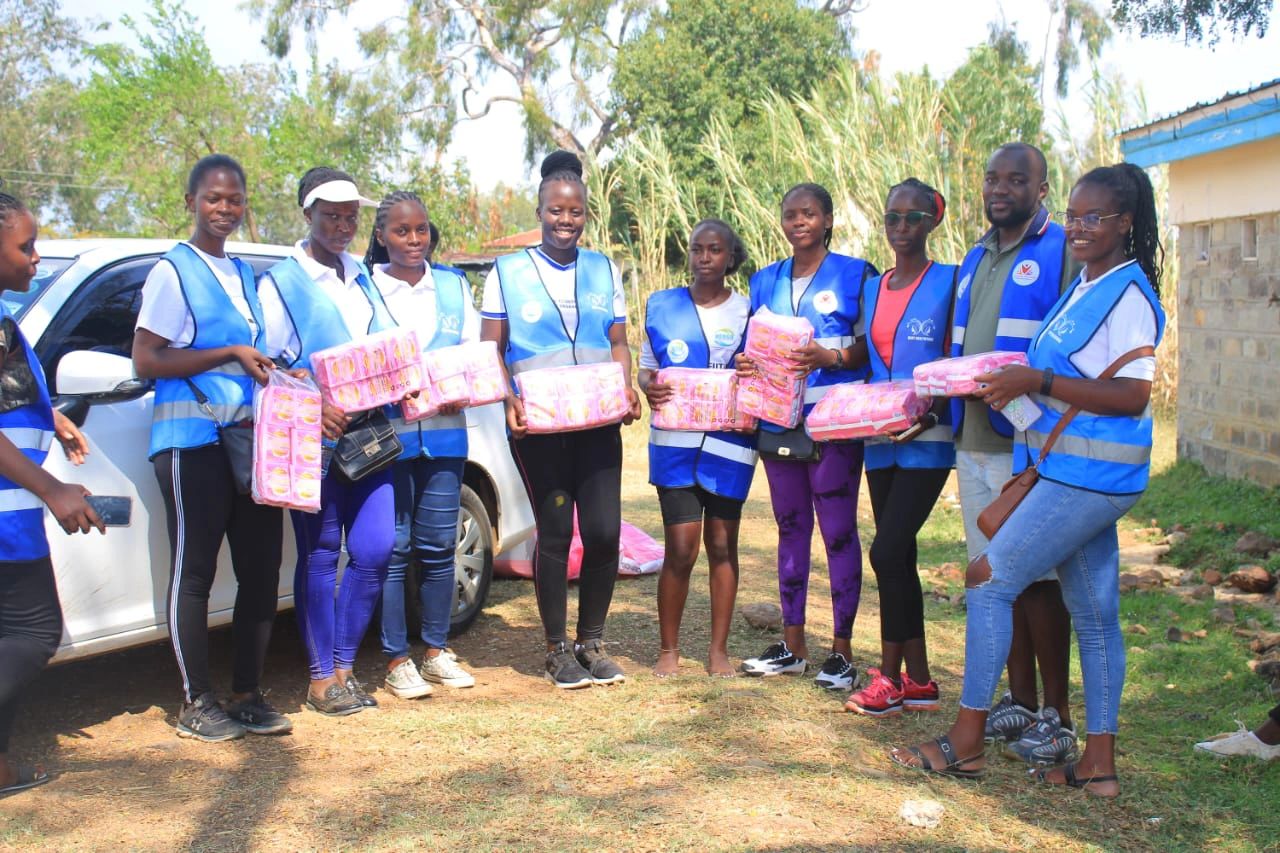
Period poverty, the lack of access to menstrual products and adequate sanitation, is a significant barrier that disproportionately affects adolescent girls and young women. The consequences of this issue extend far beyond physical discomfort—it perpetuates stigma, creates mental stress, and hinders educational and professional advancement.
Access to menstrual products is not just a matter of hygiene—it's about dignity, empowerment, and equality. When a girl misses school because she lacks these basic essentials, her future is jeopardized. It’s not just a loss of education; it’s a loss of potential. By addressing period poverty, we take a crucial step toward leveling the playing field, allowing young women to reclaim their time, energy, and focus.
We must move past viewing menstruation as a taboo and recognize it as a vital part of a healthy, functioning society. By breaking the silence, we are supporting mental well-being, reducing shame, and fostering an environment where young women feel confident and capable. Menstruation should never be a barrier to education, work, or personal growth.
Providing access to affordable, safe menstrual products allows young women to focus on their ambitions, whether it's excelling in school, pursuing a career, or participating fully in their communities. This simple yet impactful step is vital in creating an equitable future—one where no young woman has to choose between attending class and managing her period with dignity.
The fight against period poverty is a fight for equality. By ensuring that all girls and women have the resources they need, we are investing in healthier, more vibrant communities. It’s not just about products—it’s about removing barriers, uplifting voices, and creating opportunities for every young woman to thrive.
Governments, NGOs, and communities must collaborate to ensure that every girl has access to the resources and support necessary to manage her period with dignity. Comprehensive policies must be implemented, and awareness must be raised to dispel the myths and taboos that often surround menstruation. Together, we can build a society where no one is held back because of their gender or their biology.